Introduction
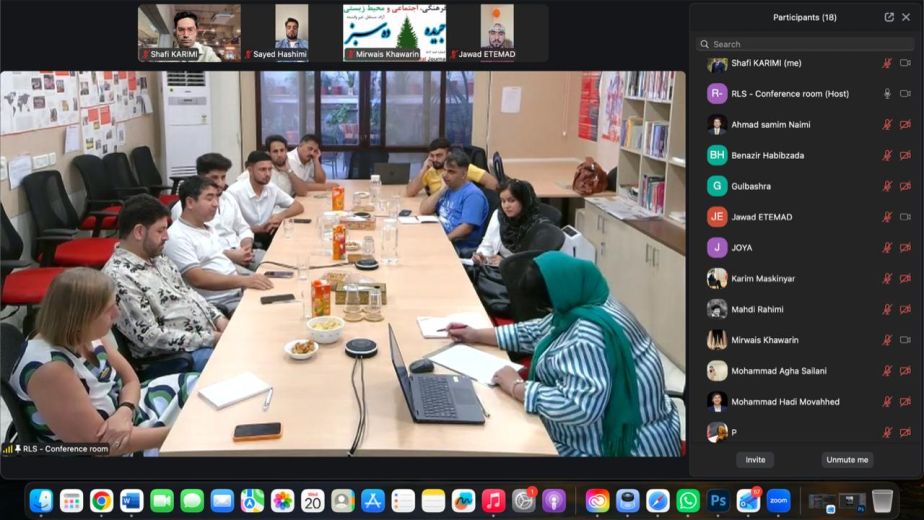
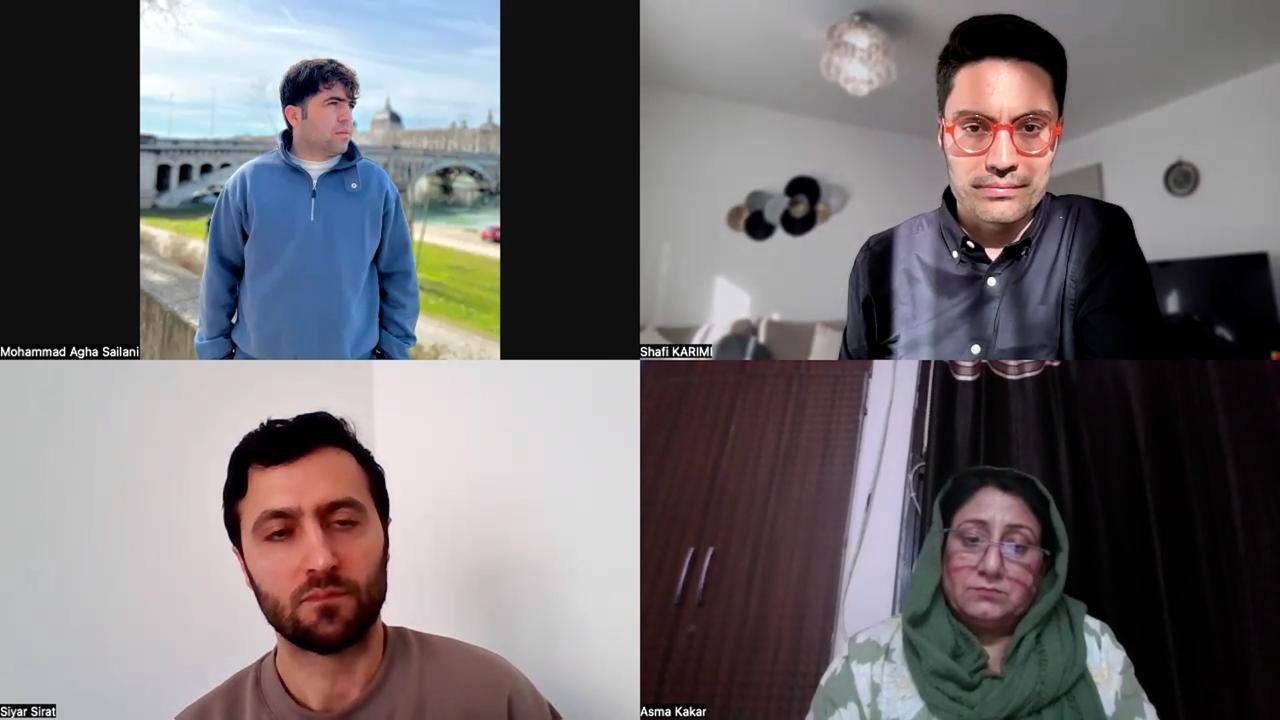
A meeting with Afghan journalists living in exile was held on 9 March 2026, bringing together journalists based in India and several European countries. The meeting focused on the professional, legal, and economic challenges Afghan journalists face after leaving Afghanistan and explored practical ways to support them.
Participants were given an opportunity to share their experiences, identify their most pressing challenges, and propose possible solutions.
Challenges Facing Afghan Journalists in India
Afghan journalists living in India highlighted several difficulties affecting their ability to continue their professional careers.
Among the main concerns were restrictions connected to the Taliban’s presence and influence, difficulties obtaining residency documents and permission to work in the media sector, limited professional connections with Indian media organizations, a lack of employment opportunities, uncertainty about their future, and limited financial resources.
The journalists called for stronger cooperation with international media organizations and greater opportunities to publish their work. They also emphasized the need for support in addressing residency-related challenges and requested training and professional development opportunities.
Challenges Facing Afghan Journalists in Europe
Afghan journalists based in Europe shared similar concerns. Many described difficulties with language, finding appropriate accommodation, building professional media networks, and securing employment in journalism.
Participants also discussed the experiences of journalists who had recently arrived in Europe, including those who had been relocated from Afghanistan. They stressed the importance of helping newly arrived journalists integrate professionally and rebuild their careers.
Journalists in Europe requested greater access to international media organizations, professional training, connections with universities and educational institutions, stronger networking opportunities, and support for publishing their articles and reports.
Key Priorities and Next Steps
At the conclusion of the meeting, participants agreed to continue discussions at a second meeting and to focus on addressing at least two major challenges.
The priorities identified included establishing connections with international media organizations and creating opportunities for Afghan journalists to publish articles and other journalistic work in domestic and international outlets.
As a proposed next step, participants suggested contacting international press and media organizations to explore professional opportunities and cooperation for Afghan journalists.
Conclusion
The meeting highlighted the difficult situation facing Afghan journalists in exile. While their circumstances differ depending on their host countries, many face common challenges: unemployment, legal uncertainty, limited professional networks, financial difficulties, and barriers to continuing their careers in journalism.
The discussions emphasized the importance of building stronger international partnerships, expanding professional opportunities, providing training, and creating sustainable platforms through which Afghan journalists can continue reporting and contributing to independent journalism.